Strengthening surgical oncology collaboration in Algeria
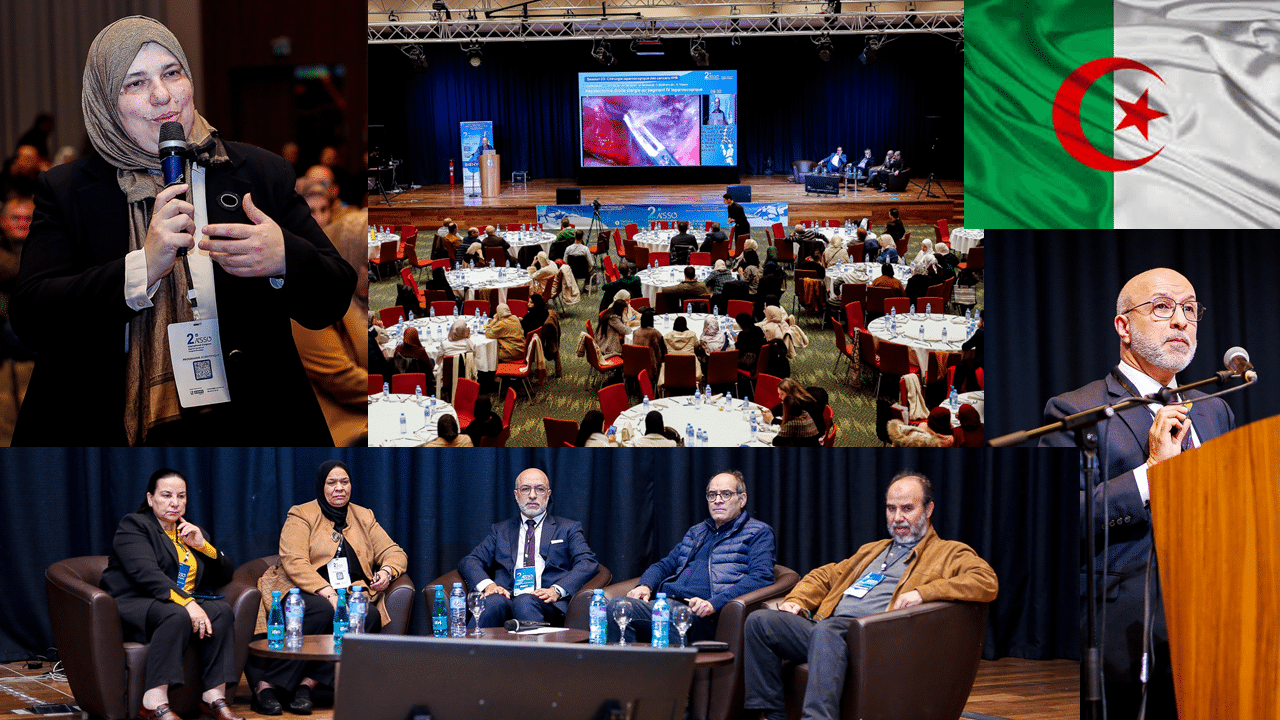
The recent Conference of the Algerian Society of Surgical Oncology brought together distinguished experts, emerging professionals, and thought leaders in the field, fostering meaningful dialogue and international engagement. The event served as a dynamic platform for knowledge exchange and collaboration, highlighting Algeria’s growing contributions to global surgical oncology.
Among the most striking aspects of the conference was the exceptional hospitality extended by Algerian colleagues. Their warmth and professionalism created an environment conducive to productive discussions and lasting professional connections.
A particularly noteworthy highlight was the prominent role of Algerian women in surgery. The increasing number of female surgeons represents significant progress and underscores the importance of gender inclusion in healthcare. Within the cultural context of Islamic countries, this advancement carries profound significance. Algerian women are not only highly skilled clinicians but also influential leaders, administrators, and researchers. One standout figure is Professor Naouel Lemdaoui, Head of the Organizing Committee and Chair of the Department of Surgery at Sétif Hospital, whose leadership exemplifies excellence and dedication.
The conference also provided valuable insights into the challenges facing Algeria’s healthcare system. Some issues—such as healthcare organization, cost constraints, and established cultural practices among patients and practitioners—mirror those encountered in other low- and middle-income countries. However, certain challenges are unique to the Maghreb region, including Tunisia, Algeria, Morocco, and Mauritania.
Language emerged as a significant barrier to scientific advancement. Many professionals expressed difficulty accessing and engaging with English-language literature. As the global use of French declines, participants explored innovative solutions, including the possibility of hosting conferences in Arabic with real-time English translation for international attendees. Successful models in Türkiye demonstrate that such an approach can enhance accessibility while maintaining global collaboration.
The conference marked an important step toward deeper regional and international partnerships. It underscored the value of inclusivity, knowledge sharing, and cultural understanding in advancing surgical oncology.
OSRC.network looks forward to supporting future initiatives that foster innovation, strengthen professional networks, and promote equitable access to scientific knowledge. While the road ahead presents challenges, sustained collaboration and shared commitment will pave the way for meaningful progress.